How to build an energy baseline that survives operational change
A practical method for relating energy to weather, occupancy, schedules and asset condition-without hiding uncertainty.
Baseline design · Normalisation · GovernanceRead the insight
 Hotels & HospitalityGuest comfort and estate performance
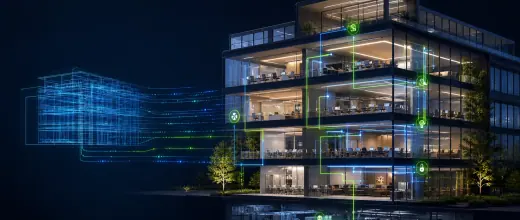 Office BuildingsOccupancy-led performance
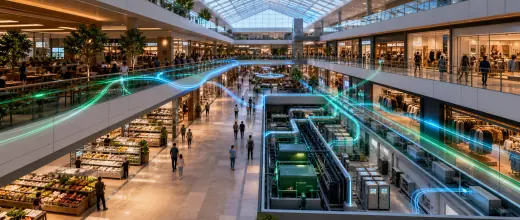 Retail & MallsTrading-hours intelligence
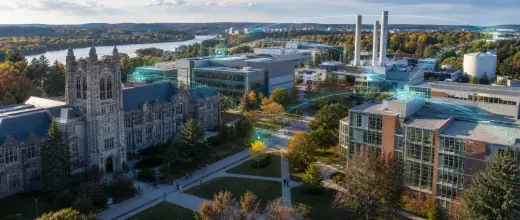 UniversitiesCampus-wide energy decisions
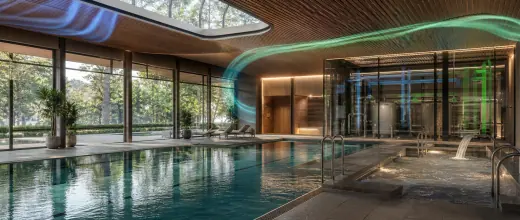 Wellness CentresWater, humidity and comfort
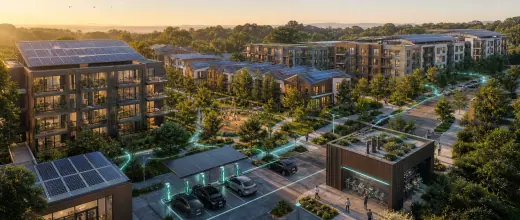 Residential CommunitiesHomes and shared infrastructure
 Airports & TerminalsContinuous terminal operations
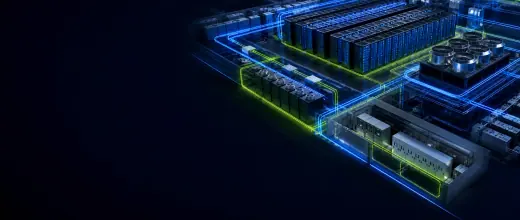 Data CentresCooling, power and resilience
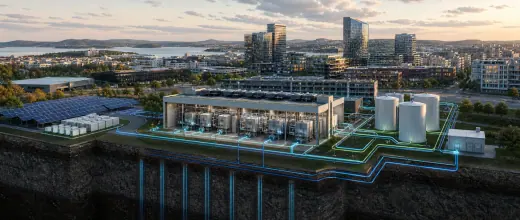 Utilities & District EnergyGeneration, storage and demand
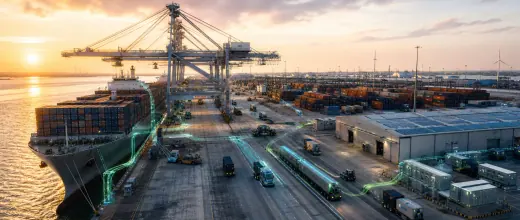 Ports & LogisticsCargo-linked energy operations
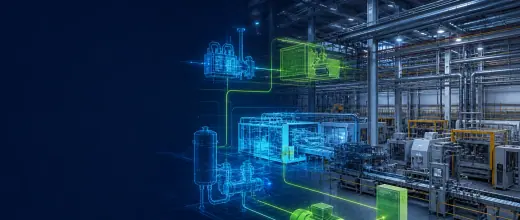 ManufacturingProduction-linked intelligence
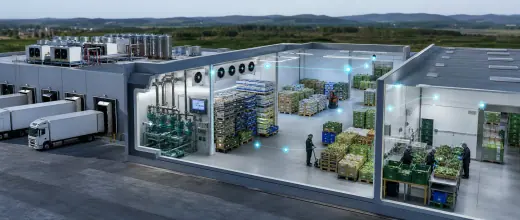 Food & Cold ChainTemperature-assured optimisation
ENERGE TWIN intelligence
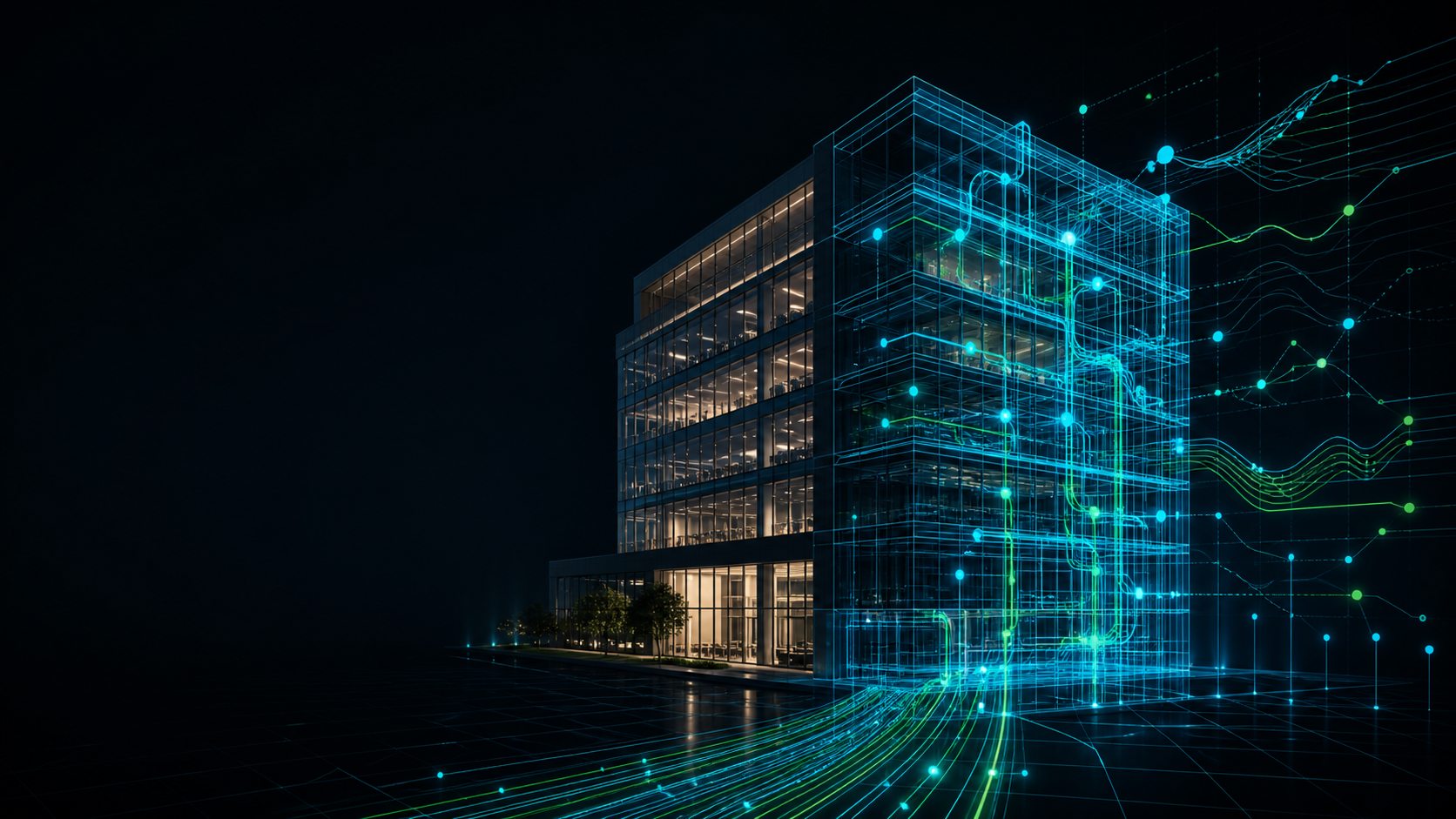
Focused perspectives for teams working across operations, engineering, sustainability and investment. Each article translates Digital Twin practice into a decision you can structure, test or verify.
A practical method for relating energy to weather, occupancy, schedules and asset condition-without hiding uncertainty.
Baseline design · Normalisation · GovernanceRead the insightStructure operational, retrofit, solar and storage scenarios so teams can compare impact before committing capital.
Scenario boundaries · Assumptions · ComparabilityRead the insightConnect expected and actual performance with context-aware verification and a clear record of what was measured or modelled.
M&V · Confidence · Outcome validationRead the insightENERGE TWIN helps teams follow a disciplined operational decision framework that reduces risk and improves outcomes.
Collect and unify operational and context data with provenance.
Establish a reliable operational baseline in context.
Test options and changes before committing resources.
Implement with clear assumptions and expectations.
Verify real outcomes and learn for continuous improvement.
A useful baseline relates energy use to occupancy, weather, schedules, tariffs and asset condition.
Operating conditions constantly change. Without context, normal variation can be mistaken for waste or savings.
Scenario modelling helps teams compare operational changes, equipment upgrades and renewable options before physical implementation.
Upfront testing reduces risk, aligns stakeholders and ensures the best options are prioritised.
Savings should be evaluated against an agreed baseline and the operating conditions that influenced the result.
Without verification, it is impossible to know whether a change actually delivered the expected outcome.
Operating conditions evolve. Your model and baselines need to evolve with them.
Models that drift or become outdated lead to poor decisions and missed opportunities.
ENERGE TWIN is designed around these failure points.
Directly observed from meters or systems.
Calculated from measured data or known inputs.
Generated through an approved model.
Used when direct evidence is unavailable.
Explicitly identified rather than concealed.
Bring a building, portfolio or proposed energy intervention. We'll explore how the evidence, baseline, scenario and validation process could be structured.